Brian Yang
Applied Scientist · Wayve Labs
I am an Applied Scientist at Wayve Labs on the Language and Reasoning team. Previously, I completed my PhD in Robotics at Carnegie Mellon University, advised by Katerina Fragkiadaki and Jeff Schneider, and worked at Meta AI. Before that I did my undergrad at UC Berkeley, where I was fortunate to work with Dinesh Jayaraman, Roberto Calandra, Sergey Levine, and Kris Pister.
My research is about the data bottleneck in robot learning: the rare and safety-critical behaviors that are scarce in real-world logs. During my PhD I worked on this for autonomous driving, using language to specify the behavior we want and generative models to synthesize it, and treating the two as a single data engine for training driving policies. Earlier, during my undergrad, I worked on a variety of real-world robot learning problems ranging from low-cost manipulation to microrobot locomotion.
Publications · 11 papers, 1 thesis
- ★ 2027
-
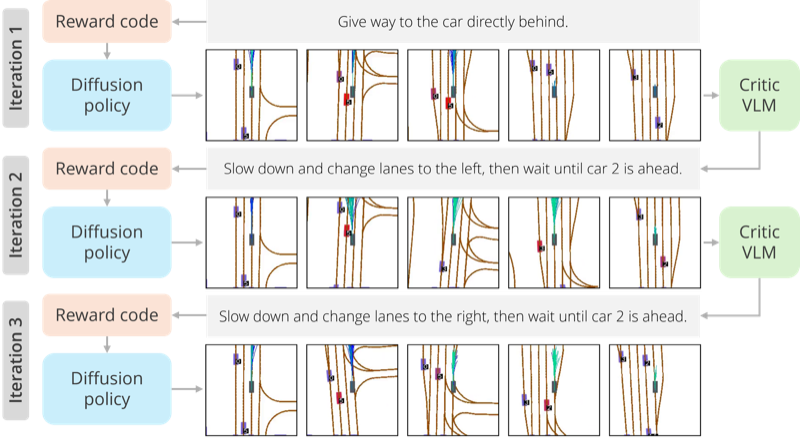
EurekaDrive: Vision-Language Guided Program Search for Language-Conditioned Diffusion Driving Policies
Mineui Hong, Harsh Shah, Brian Yang, Eric Shau, Alexandre Capone, Katerina Fragkiadaki, Jeff Schneider ICRA 2027 submission
- 2026
-
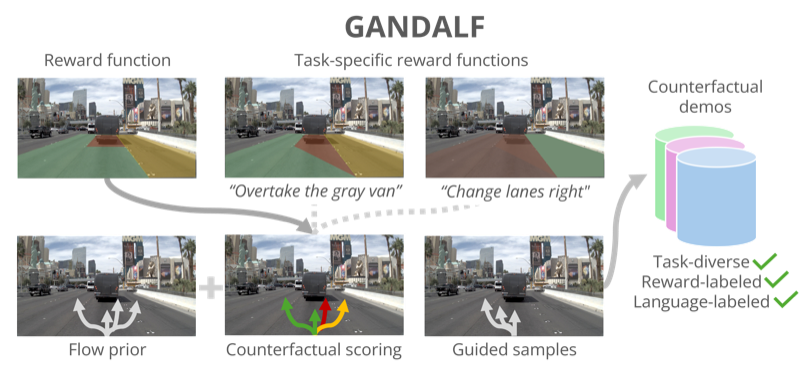
GANDALF: Grounding Autonomous Driving Agents via Language Feedback
Brian Yang, Jeff Schneider, Katerina Fragkiadaki ECCV 2026 submission
- 2026
-
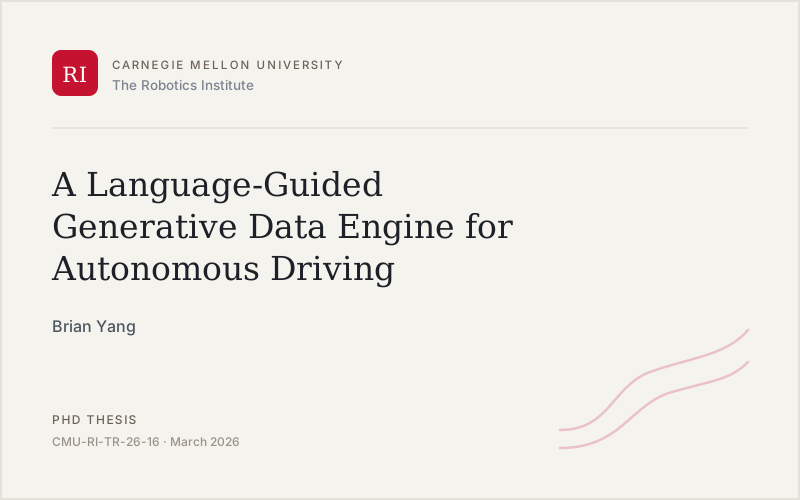
A Language-Guided Generative Data Engine for Autonomous Driving
Brian Yang PhD thesis, The Robotics Institute, Carnegie Mellon University · CMU-RI-TR-26-16
- ★ 2024
-
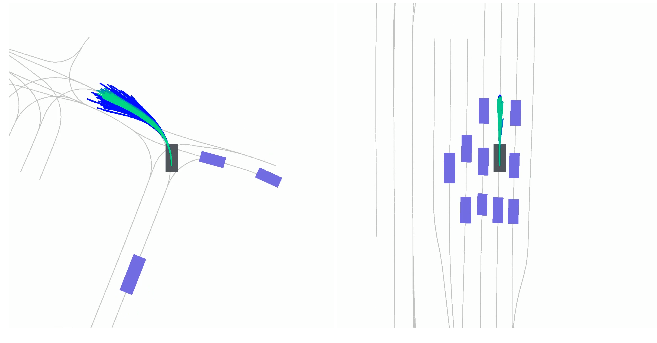
Diffusion-ES: Gradient-free Planning with Diffusion for Autonomous Driving and Zero-Shot Instruction Following
Brian Yang, Huangyuan Su, Nikolaos Gkanatsios, Tsung-Wei Ke, Ayush Jain, Jeff Schneider, Katerina Fragkiadaki CVPR 2024
- 2024
-
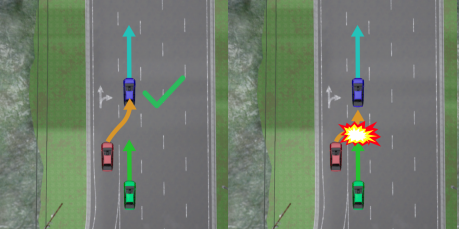
Learning Driving Policies with Offline Counterfactual Reactive Simulation
Adam Villaflor, Brian Yang, Katerina Fragkiadaki, John Dolan, Jeff Schneider ICML 2024 submission
- 2024
-
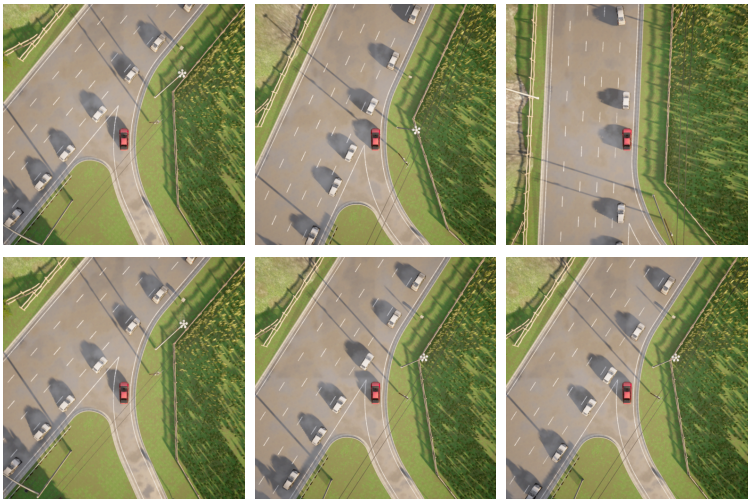
Tractable Joint Prediction and Planning Over Discrete Behavior Modes for Urban Driving
Adam Villaflor, Brian Yang, Huangyuan Su, Katerina Fragkiadaki, John Dolan, Jeff Schneider ICRA 2024
- 2022
-
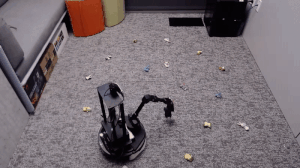
Fully Autonomous Real-World Reinforcement Learning with Applications to Mobile Manipulation
Charles Sun, Jędrzej Orbik, Coline Devin, Brian Yang, Abhishek Gupta, Glen Berseth, Sergey Levine CoRL 2022
- 2020
-
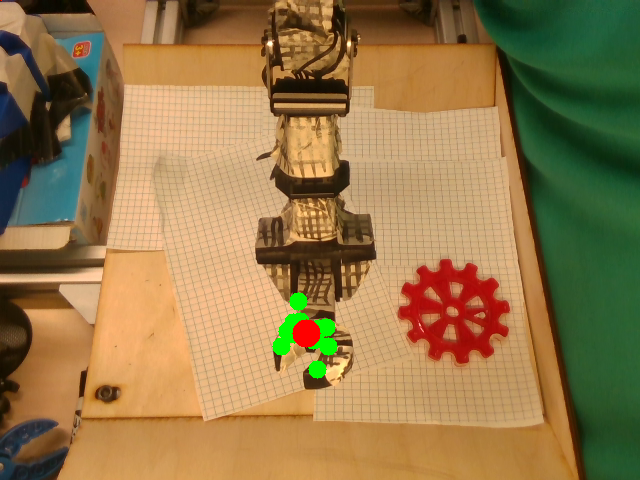
MAVRIC: Morphology-Agnostic Visual Robotic Control
Brian Yang*, Dinesh Jayaraman*, Glen Berseth, Alexei Efros, Sergey Levine RA-L + ICRA 2020
- 2020
-
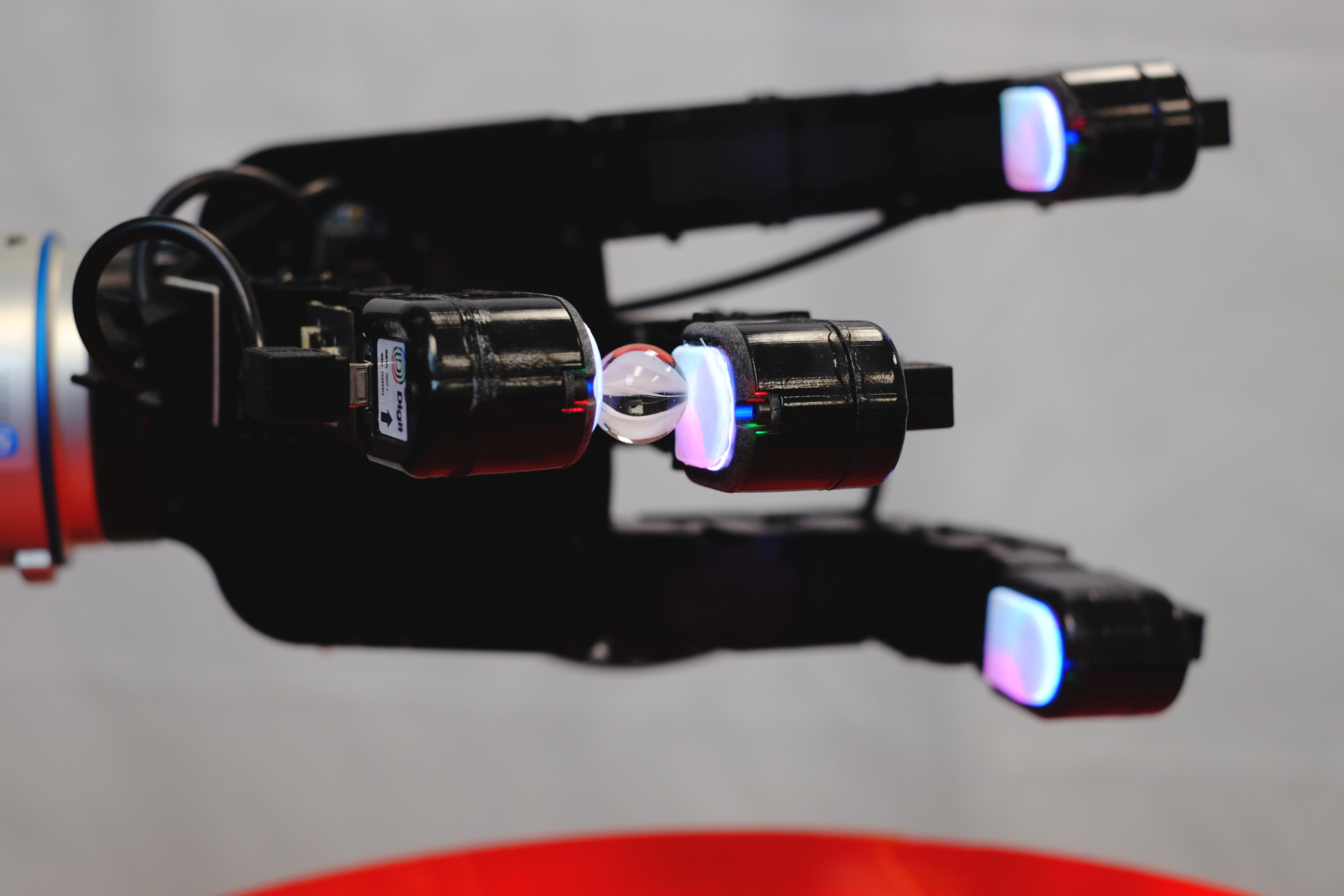
DIGIT: A Novel Design for a Low-Cost Compact High-Resolution Tactile Sensor with Application to In-Hand Manipulation
Mike Lambeta*, Po-Wei Chou*, Stephen Tian, Brian Yang, Benjamin Maloon, Victoria Rose Most, Dave Stroud, Raymond Santos, Ahmad Byagowi, Gregg Kammerer, Dinesh Jayaraman, Roberto Calandra RA-L + ICRA 2020
- 2019
-
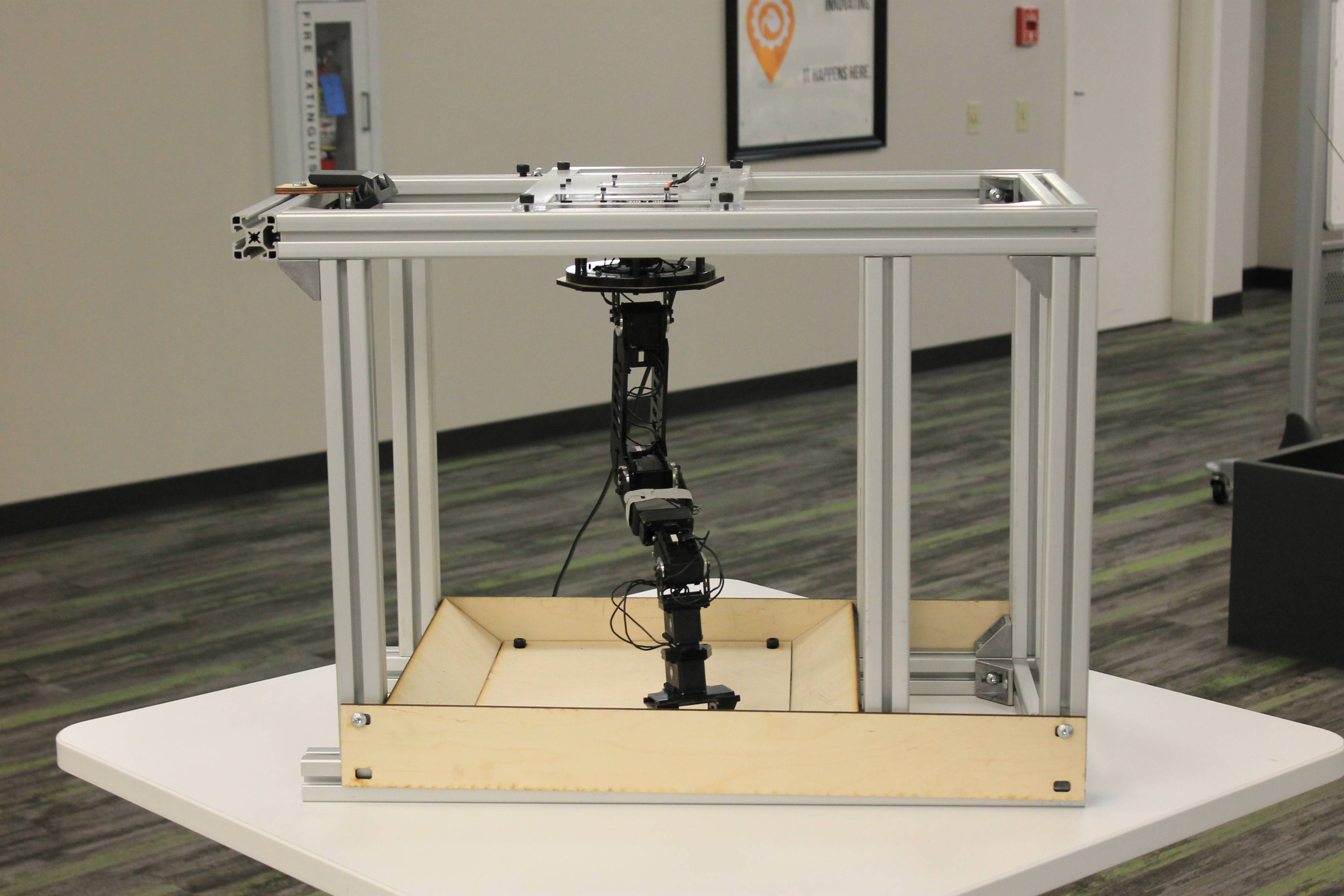
REPLAB: A Reproducible Low-Cost Arm Benchmark Platform for Robotic Learning
Brian Yang, Dinesh Jayaraman, Sergey Levine ICRA 2019
- 2019
-
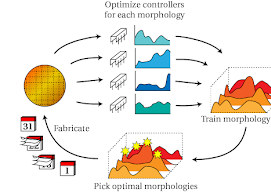
Data-efficient Learning of Morphology and Controller for a Microrobot
Thomas Liao, Grant Wang, Brian Yang, Rene Lee, Kris Pister, Sergey Levine, Roberto Calandra ICRA 2019
- 2018
-
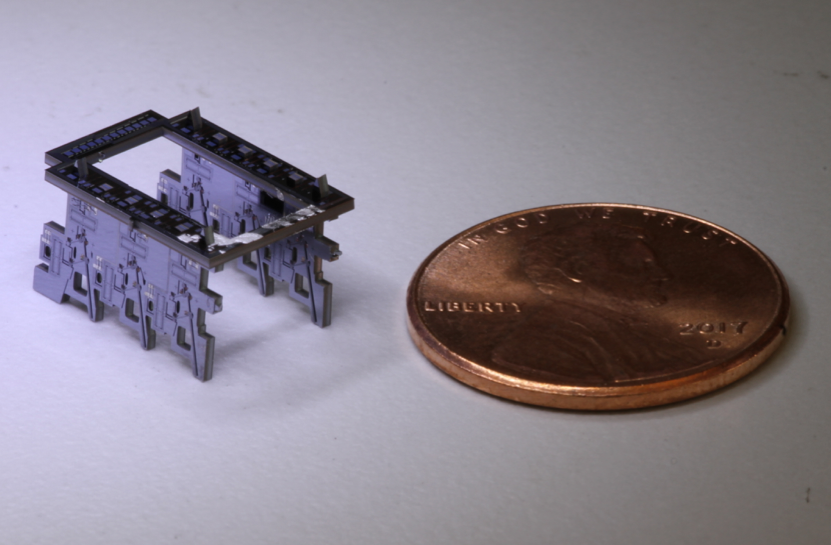
Learning Flexible and Reusable Locomotion Primitives for a Microrobot
Brian Yang*, Grant Wang*, Roberto Calandra, Daniel Contreras, Sergey Levine, Kris Pister RA-L + ICRA 2018
★ The work that best represents my research interests.